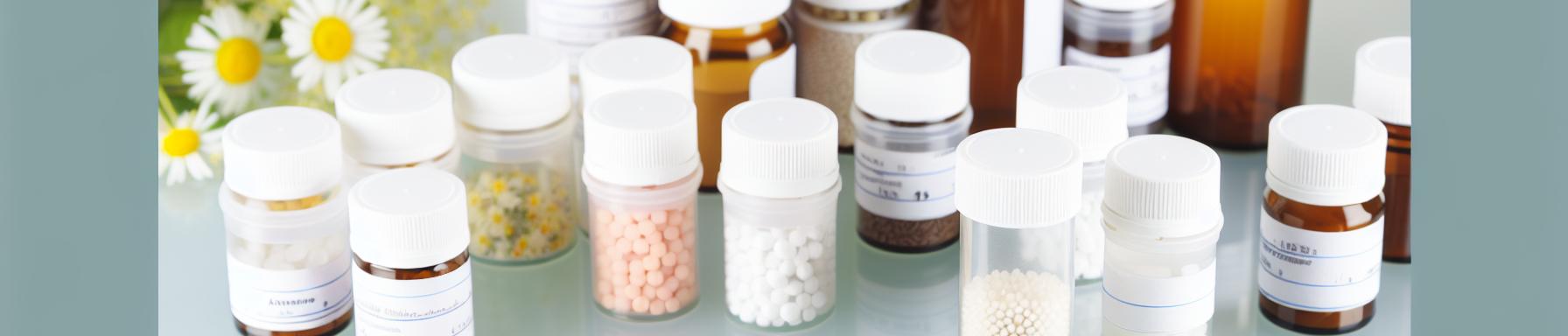
Homeopathic treatments
Aconitum Napellus
The aconite napel also known as madriettes is a very toxic plant. However, through homeopathic processes, it can be made into a remedy called Aconitum Napellus. The latter is particularly effective in treating people with fever, insomnia or hypertension as well as in treating amenorrhea, neuralgia, heart disease and behavioral disorders. The dilution of Aconitum Napellus to be used, however, depends on the pathology and possibly the condition of the patient. But, in most cases, the latter would have to put 5 granules of this remedy under the tongue each time he took it.
Actaea Racemosa
Actaea Racemosa granules, available on the market, is an extract from the root of this same plant. It is indicated for menstrual disorders as well as various muscle pains, such as rheumatism, torticollis and tendonitis. For this last property, Actaea Racemosa is particularly effective in the treatment of sciatic nerves, especially those that affect the left side of our body. However, Actaea Racemosa also helps people who suffer from insomnia and those who have behavioral disorders.
Actaea spicata
Cohosh has the same effects as rheumatism when accidentally ingested. It is for this reason that the homeopathic remedy Actaea spicata from the plant is commonly used in rheumatology. Its action is to strengthen the body, in this case the joints, so that the patient can bear the pain caused by the rheumatic pathology. On the other hand, other symptoms of the disease, such as heartburn, blurred vision, abdominal convulsions, and even laziness of the lower limbs are alleviated.
Aesculus Hippocastanum
Aesculus Hippocastanum is a homeopathic remedy that is obtained from the fruits of the horse chestnut tree, a fairly widespread plant. Its main area of action is digestive disorders and haemorrhoids accompanied by extreme fatigue and swelling of the mucous membranes of the digestive system. As these diseases are recognized in medicine as being in the field of proctology and angiology, Aesculus Hippocastanum is therefore considered a homeopathic godsend in these two fields.
Agarius muscarius
Agarius muscarius is made from the fly agaric, a fungus that grows in late summer and early autumn. False oronge or Amanita Muscaria is a hallucinogenic mushroom that can cause neurological and gastrointestinal disorders. The homeopathic remedy based on Agarius muscarius is indicated to treat several pathologies. It can be used to treat angiological and behavioural disorders as well as epileptic seizures. The dosage varies according to the different cases and symptoms. Treatment is usually carried out by combining Agarius muscarius with certain remedies.
Ailanthus glandulosa
Ailanthus glandulosa is a homeopathic remedy of plant origin that gets its mother tincture from the leaves of the Ailanth, a tree known as the Japanese False Varnish. The homeopathic remedy Ailanthus glandulosa is often prescribed as an adjunct to the treatment of many infectious diseases. Scarlet fever is one of its main indications. It may also be recommended in cases of bacterial angina and in young children, in cases of infectious mononucleosis. Ailanthus glandulosa can be used to remedy symptoms such as fever, rashes and inflammation of the mucous membrane.
Alium Cepa
Pollen allergies such as hay fever or rhinitis resulting from intolerance to a certain temperature change are the main respiratory conditions that can be treated with Alium Cepa. However, this homeopathic strain extracted from onion should be administered according to the manifestation of the disease. In addition, Alium Cepa can also enhance the actions of another homeopathic remedy to increase the effectiveness of this one. In any case, it is advisable to consult a homeopath before taking the remedy to avoid unwanted effects.
Aloe Socotrina
Aloe Socotrina is a homeopathic remedy derived from the plant of the same name, also known as Socotra aloe. While its red colour makes it a very popular plant in dyeing, it is mainly used in homeopathy for its significant therapeutic virtues. Proctology is indeed the preferred field of the remedy that helps fight against anal or faecal incontinence problems. Finally, Aloe socotrina is also prescribed in case of digestive disorders and more particularly in case of diarrhea accompanied by involuntary gas emissions.
Alumina
Alumina is the name given to the homeopathic remedy prepared from aluminum oxide. It is offered in several forms but the most used are granules and doses. This medication is mainly prescribed for constipation and anal fissure, although it is also indicated to treat other disorders and conditions. The dosage varies depending on the disease and the symptoms to be treated. It is imperative to consult a therapist to ensure the results of the treatment. If symptoms persist or if no improvement is observed 48 hours after the first dose, it is advisable to consult a doctor immediately.
Ambra Grisea
Ambra grisea is a rather surprising homeopathic remedy that exploits the resources of a rather unexpected animal, the sperm whale. The many virtues of the Ambra grisea remedy make it possible to treat behavioral disorders, but they also provide a boost of energy to effectively fight against fatigue and stress, which are the source of often more serious psychological disorders. Depending on the pathology or the patient's profile, the dosage of taking Ambra grisea can vary significantly.
Ambrosia Artemisiaefolia
Between the end of the summer period and the beginning of autumn, allergies to pollen, particularly ragweed, are particularly important and affect subjects with weak immune defences. Ambrosia Artemisiaefolia is the ideal homeopathic remedy to alleviate the annoying symptoms caused by pollen. For decades, cases of ragweed allergies have generally been observed in the Lyon region. In the most affected regions, Ambrosia Artemisiaefolia can also be recommended as a preventive treatment for the most sensitive individuals.
Ammonium Carbonicum
Ammonium Carbonicum is a remedy obtained from the reaction between ammonia and carbon dioxide, which are toxic elements. This medication is recommended to treat general fatigue, circulatory, sexual and cardiovascular problems. Ammonium Carbonicum helps soothe heart palpitations and is indicated for the treatment of kidney failure and oral conditions. The dosage indicated and the level of dilution varies depending on the patient's condition.
Ammonium Muriaticum
Ammonium Muriaticum is a homeopathic remedy prepared from ammonium chloride, a white crystalline powder. This remedy is effective against congestion problems in the respiratory tract. Ammonium Muriaticum acts as an expectorant and helps the body expel certain secretions. This product is also prescribed in gastroenterology, especially in cases of flatulence and belching. It helps to evacuate excess gas from the stomach and eliminate abdominal pain. Recommended in rheumatology, Ammonium Muriaticum is particularly indicated for sciatica conditions, joint and muscle pain.
Amylium Nitrosum
Amylium Nitrosum is a homeopathic product made from the nitrite strains of Amyl. With a great vasodilatory property, this homeopathic remedy is the most widely used in the treatment of gynecological problems related to menopause. It is especially indicated in case of hot flashes and cold sweats. It also relieves nervousness and strengthens the patient's body. The dosage depends on each case and varies between two and five granules to be placed under the tongue and taken morning, noon and evening.
Anacardium orientale
Native to northern India, the Oriental cashew nut is a shrub that produces almonds from which the homeopathic remedy Anacardium orientale is made. In gastroenterology, Anacardium orientale is indicated to treat stomach upset and conditions such as gastralgia or dyspepsia. In the psychological field, its effectiveness has been proven. This remedy improves the well-being of subjects affected by various behavioral disorders. It is prescribed to treat memory disorders, aggressive behavior, depression, as well as eating disorders. The different dilutions of Anacardium orientale make it possible to reduce or eliminate symptomatic manifestations in the skin. Thus, Anacardium orientale is recommended for patients affected by lichen, dermatoses, and pruritus.
Anagallis Arvensis
Anagallis Arvensis known as pimpernel, is a plant found almost everywhere in gardens. It is used in homeopathy from the flowers to the root to treat various dermatological diseases. Because of its toxicity, Anagallis Arvensis should be taken according to the symptoms and preferably after consultation with a doctor who will prescribe the appropriate dosage for each patient. This homeopathic remedy is also recommended if the patient has itching on the skin, resulting from a disease that is already undermining his health such as urinary tract infections. Other skin rashes caused by a previous pathology such as gonorrhea are treated with Anagallis Arvensis. This homeopathic treatment can also relieve annoying itching that occurs in the genital tract, especially during sexual intercourse, but always under the prescription of a doctor.
Angustura vera
Made from a plant from America, Angustura vera is a homeopathic remedy known and appreciated for its therapeutic virtues in rheumatology. Its mother tincture is extracted from the bark of the true angusture, a plant known for its antispasmodic properties and relaxing effect. In homeopathy, Angustura vera is mainly used to relieve feelings of muscle stiffness or contraction, cramps and spasms in the knees. As a result, Angustura vera is a homeopathic remedy mainly indicated in cases of low back pain. It helps relieve back pain while remedying muscle stiffness. Finally, Angustura vera can also be used in case of aches and pains.
Antimonium Crudum
Antimonium crudum has various peculiarities that distinguish it from some homeopathic formulas. It acts specifically on the digestive system, whose functioning is disturbed by certain types of food. Note that unbalanced food or excessive eating can cause digestive problems. Dermatological lesions can also be treated with homeopathic treatment. To obtain convincing results, the patient should consume Antimonium crudum. The dosage varies according to the pathology to be treated.
Antimonium Tartaricum
Antimonium Tartaricum is a medicine used in homeopathy. It is obtained by the exploitation of the chemical tartrate double of potash and amonium. It is indicated in the treatment of certain pulmonary and dermatological ailments, namely, bronchiolitis, congestion of the airways following abdominal surgery, chronic and acute bronchitis, chronic respiratory insufficiency, asthma, pustular acne, and chickenpox. The dosage should be appropriate to the pathology to be treated. In all cases, a dose must consist of 5 granules, the dilution of which depends on the disease to be treated. As for the repetition or frequency of intake, it depends on the severity and type of infection. In the specific treatment of certain pathologies such as bronchiolitis and asthma, Antimonium Tartaricum is combined with other homeopathic remedies.
Apis mellifica
Apis mellifica is a homeopathic product made from living worker bees. To obtain the mother tincture that is used for all formulations, the bees must be crushed into small particles that will be soaked in alcohol. The venom sac and the stinger give Apis mellifica its therapeutic properties. The remedy is particularly indicated for the treatment of infections and pain. It is also recommended in gynecology and ENT. Apis mellifica is indicated for the treatment of behavioural disorders in children and adolescents. In all prescriptions, the dose indicated is 5 granules in 9 or 15 Ch. Regular use of Apis mellifica is necessary to treat subacute, chronic or acute cases.
Aralia Racemosa
The homeopathic remedy Aralia Racemosa comes from the mother tincture from the roots of a plant in North America. This homeopathic remedy is indicated for the treatment of pathologies such as rhinitis, cough, pharyngitis, asthma and asthmatic coughing fits. Dosages differ according to the age of the individual to be treated and according to the symptoms. It is recommended to consult a doctor who knows how to make a reliable diagnosis by observing the symptoms of the various pathologies.
Aranea Diadema
Aranea Diadema is a homeopathic remedy used in neurology. It originated from a spider with the same name that is also known as the Papal Cross Spider. Aranea Diadema is used as a homeopathic treatment to alleviate symptoms and relieve pain due to inflammation of the nerves. The dosage and duration of treatment vary depending on these symptoms. Remedies are presented in the form of globule doses, drops or granules. To be effective, they should not be administered with mint-based drinks.
Argentum Metallicum
The main strain of Argentum Metallicum is silver, which is known to have significant antiseptic and bactericidal properties. This homeopathic remedy, made from silver leaves prepared by trituration followed by dilution from 5 CH to 30 CH, is therefore highly effective against inflammatory pathologies of bacterial origin. It is particularly recommended in the treatment of singer's laryngitis, and can treat each symptom observed on the organs of the ENT sphere that have been affected by the pathology. Argentum Metallicum is also suitable for the treatment of vaginitis, and helps to reduce the disorders that it induces on the female genital tract.
Argentum nitricum
Argentum nitricum is a homeopathic remedy obtained from pure silver nitrate that has undergone several successive dilutions. It is generally presented in the form of granules whose prescribed doses vary according to the pathology to be treated. Argentum nitricum is indicated to treat digestive disorders, as well as gastric problems and those related to the emission of stools. The remedy is also indicated in gynecology to relieve pain during menstruation and to treat ulceration of the cervix. Argentum nitricum is also prescribed in urology.
Arnica Montana
Homeopathic remedies can be used to treat several diseases. They are mainly obtained from toxic plants such as Arnica Montana which grows in high altitude regions. This plant is not suitable for raw use but must be processed. With various properties, the active ingredient of this plant can be used to treat or prevent certain pathologies. It is used in the field of traumatology, cardiology, ophthalmology and dermatology.
Arsenicum album
The arsenious anhydrous from which Arsenicum album is derived is a powerful toxicant, and it derives all its virtues from this toxicity, once it has been attenuated to a degree that is harmless to the human organism. This toxicity gives Arsenicum album necrotizing properties that allow it to treat dermatological and skin pathologies, such as herpes, impetigo, or desquamation of the epidermis. Other effects of Arsenicum album are found in the respiratory system, digestive system and genitals. And finally, the Arsenicum album has virtues that act on psychiatric disorders, such as anxiety and excessive anxieties, as well as on acute pathologies.
Arsenicum Iodatum
Arsenicum Iodatum is a homeopathic remedy made from Arsenic triiodide. It is mainly used in ENT, pulmonology, dermatology and cardiology. However, it is also recommended in case of metabolic and/or nutritional problems. Indeed, it treats asthenia, coryzas, chronic rhinitis, heart rhythm disorders, cardiosclerosis, arteriosclerosis, eczema, psoriasis, skin mycoses and dermatoses. As for its dilution and dosage, they depend on the disease to be treated and the accompanying symptoms. In any case, the symptoms of Arsenicum Iodatum should in principle disappear as soon as Arsenicum Iodatum is taken.
Arum Triphyllum
A homeopathic strain derived from the Indian turnip, a plant belonging to the Araceae family, Arum Triphyllum is recommended to treat certain ENT diseases, especially laryngitis. But it can also be used to treat other conditions such as certain skin problems, chest pain or diarrhea. For optimal effectiveness, the dosage recommended by the homeopath should be followed. Indeed, each case corresponds to a well-defined dosage.
Arundo Donax
The homeopathic remedy Arundo Donax is prepared from the mother tincture of the cane of Provence. Containing bufotenin, it is very effective in fighting pain. However, it is especially recommended for the treatment of spasmodic coryza and conjunctivitis that appears in summer or spring. It also relieves allergies to pollen, hay, mold and dust that cause itchy and congested noses. Arundo Donax is mainly used in low dilution, i.e. in 5 or 7 HP. It is most of the time to be taken two to three times a day.
Asa foetida
Asa foetida is a homeopathic remedy prepared using resin obtained from the plant of the same name. Due to its many therapeutic virtues, it is used to treat gastroenterological symptoms as well as behavioral disorders. When given in too high a dose, Asa foetida produces side effects such as nausea, vomiting and nervous disorders. In some cases, it can even cause symptoms of hysteria and it is therefore important to follow the dosage prescribed by the homeopathic doctor.